
Beyond the Shivers: Recognizing the Subtle, Serious Signs of Dog Frostbite
Most dog owners know to watch for shivering when their pet is out in the cold. But dog frostbite is a serious cold-weather injury that can develop quietly, without the obvious trembling that signals a dog is uncomfortable. Frostbite in dogs occurs when tissue freezes, damaging skin, muscle, and other structures, and it can happen even before you realize your dog is in danger. In this guide, our team at Best Friends Veterinary Care in Nesconset, NY explains how to recognize the subtle and serious signs of dog frostbite, which body parts are most vulnerable, and what to do if you suspect your dog has been affected.
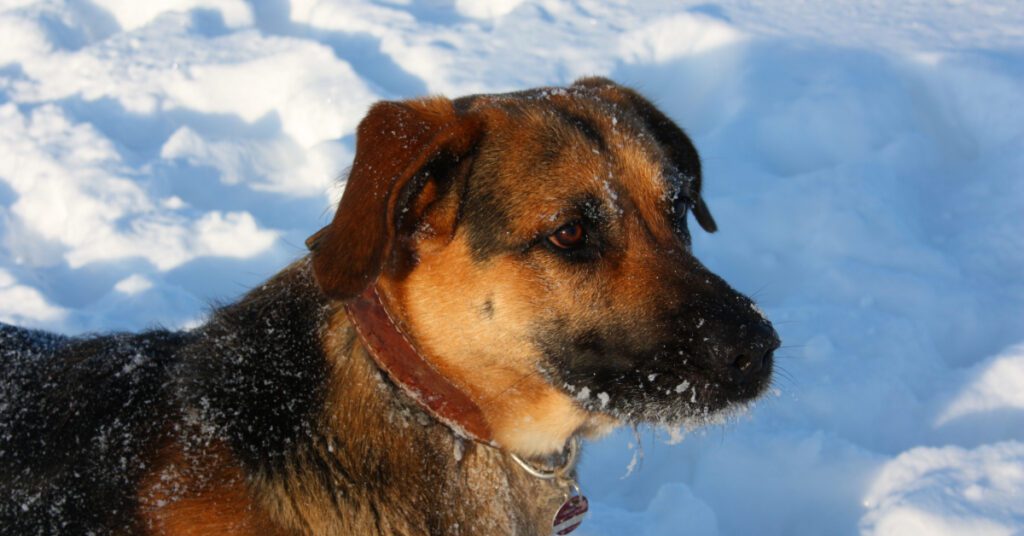
What Is Dog Frostbite?
Frostbite in dogs happens when tissues are exposed to freezing temperatures for long enough that the water inside the cells begins to freeze. In response to extreme cold, a dog’s body redirects blood flow away from the extremities and toward vital organs to preserve core body temperature. This reduced circulation leaves peripheral tissues vulnerable to freezing and cellular damage. Dog frostbite most commonly affects areas with less insulation and blood flow, and it can occur alongside hypothermia, which is a dangerous drop in core body temperature.
Which Parts of a Dog Are Most Susceptible to Frostbite?
Understanding where frostbite in dogs most commonly occurs can help you know where to look after your dog has been outside in cold weather. The most vulnerable areas include:
- Ear tips: The thin, exposed edges of the ears are one of the first places frostbite appears in dogs, especially in dogs with upright or large ears.
- Tail tip: The end of the tail has limited blood circulation and minimal fat insulation.
- Paw pads and toes: Paws are in direct contact with frozen ground, snow, and ice, making them highly susceptible to frostbite.
- Scrotum: Male dogs that are not neutered are at increased risk for frostbite in this area due to its exposed location.
- Nose tip: The nose and muzzle can also be affected, particularly during prolonged cold exposure.
- Mammary glands: In female dogs with low body fat, mammary tissue can be vulnerable.
The Subtle Signs of Frostbite in Dogs You Might Miss
This is where dog frostbite becomes dangerous. While the dramatic shivering of a cold dog draws immediate attention, the early signs of frostbite are far more subtle and easy to overlook. Many dogs don’t show obvious signs of pain or distress until significant tissue damage has occurred. The team at Best Friends Veterinary Care urges dog owners to be aware of these less obvious warning signs.
Early Signs of Dog Frostbite
In the early stages, frostbitten skin in dogs may appear pale, gray, or bluish in color due to reduced blood flow. The affected area often feels unusually cold and firm to the touch. Your dog may not react strongly to being touched in these areas because sensation can be diminished when tissue is frozen. Watch for:
- Pale, white, gray, or bluish discoloration of the skin
- Skin that feels cold, hard, or waxy to the touch
- Apparent lack of sensation or reduced response when the area is touched
- Your dog holding up a paw or favoring a limb after being outside
- Ear tips or tail tip that look or feel different from normal
Signs of Frostbite in Dogs as Tissue Warms
One of the most confusing aspects of canine frostbite is that the most obvious signs often appear after the tissue begins to rewarm. As blood flow returns to affected areas, the tissue can become very painful. Signs that may appear during rewarming include:
- Redness, swelling, and inflammation in previously pale or gray areas
- Pain or hypersensitivity when the area is touched
- Blistering or skin that looks shiny, scaly, or peeling
- Dark, blackened tissue in severe cases; a sign of tissue death (necrosis)
If you notice any of these signs after your dog has been exposed to cold, contact Best Friends Veterinary Care immediately. Do not attempt to rewarm tissue in a way that could cause further damage.
Dog Frostbite vs. Hypothermia: What’s the Difference?
Frostbite and hypothermia in dogs often occur together, but they are different conditions. Hypothermia is a dangerous drop in a dog’s core body temperature, affecting their entire body. Signs of hypothermia include intense shivering, weakness, lethargy, stumbling, and in severe cases, collapse or unconsciousness. Frostbite in dogs, by contrast, is localized tissue damage from freezing. A dog can have frostbite without hypothermia and vice versa, but both require urgent veterinary care. If your dog is showing signs of either condition, call Best Friends Veterinary Care right away.
When to Take Your Dog to the Vet for Frostbite
Any suspected case of frostbite in dogs requires prompt veterinary evaluation. It can be very difficult to assess the true extent of cold-related tissue damage at home, and what looks like mild frostbite can turn out to involve deeper tissue injury that isn’t immediately visible. Treatment at Best Friends Veterinary Care may include carefully rewarming the affected areas under controlled conditions, pain management, wound care, antibiotics to prevent infection, and in severe cases, discussion of further interventions for tissue that does not recover.
How to Prevent Frostbite in Dogs
Prevention is always preferable to treatment when it comes to cold-weather injuries. Here are the most effective strategies for preventing dog frostbite during Long Island winters.
Limit Outdoor Exposure in Freezing Temperatures
Dogs vary widely in their cold tolerance based on breed, coat type, age, size, and overall health. Small dogs, short-coated breeds, senior dogs, puppies, and dogs with certain health conditions are all at higher risk for frostbite and hypothermia. In temperatures at or below freezing, limit outdoor time and be especially attentive to your dog’s behavior and body language.
Use Dog Boots and Protective Clothing
Dog boots provide an effective barrier between paws and frozen ground, ice, and road salt. Dog coats and sweaters offer additional insulation for breeds with short or thin coats. While not all dogs tolerate these items immediately, gradual introduction makes acceptance much easier. Your veterinarian at Best Friends Veterinary Care can advise on which protective measures are most appropriate for your dog.
Know When to Cut the Walk Short
Watch your dog closely during winter outings. If they begin lifting their paws, reluctantly moving forward, appearing stiff or slow, or seeking to return indoors, take those cues seriously. Dogs are sometimes reluctant to show pain, and by the time they’re visibly distressed from cold exposure, damage may already be occurring.
Frequently Asked Questions About Dog Frostbite
How long does it take for a dog to get frostbite?
There is no single answer, as it depends on the temperature, wind chill, moisture, and your individual dog’s cold tolerance. In extreme cold with wind chill, frostbite in dogs can begin to develop within minutes in exposed areas. Even in milder freezing conditions, prolonged exposure increases risk significantly.
Can dogs get frostbite on their paws from walking in snow?
Yes. Paw frostbite is one of the most common types of frostbite in dogs because the paws are in constant contact with frozen surfaces. Ice, snow, and road salt can all compound cold damage to paw pads. Protective boots and minimizing exposure time are the best defenses.
What does dog frostbite look like on the ears?
Frostbite on a dog’s ears often starts as pale, grayish, or white discoloration at the ear tips. As the tissue rewarms, it may become red, swollen, and painful. In severe cases, the ear tips may develop blisters or dark, dead tissue. Any change in the appearance or texture of your dog’s ear tips after cold exposure warrants a veterinary evaluation.
Cold-Weather Safety Starts With Knowing the Risks
Dog frostbite is a preventable injury when pet owners understand the risks and take appropriate precautions. At Best Friends Veterinary Care in Nesconset, NY, our team is here to support the health and safety of your dog through every season. If you have concerns about your dog’s cold-weather tolerance, or if you suspect your dog has experienced frostbite or hypothermia, don’t wait. Call us at 631-656-5990 right away so we can provide the care your dog needs.
About Us
Best Friends Veterinary Care warmly welcomes you to our animal hospital in Nesconset, where we provide exceptional care for your pet and outstanding service for you and your pet. With longer appointment times, our team of experienced veterinarians offer their undivided attention and top-notch treatment for your pet during each visit to our hospital.