
7 Common Causes of Cat Sneezing and How to Help Your Pet
Cat sneezing is something every cat owner encounters at some point. An occasional sneeze is perfectly normal and cats sneeze for many of the same reasons people do. But when cat sneezing becomes frequent, persistent, or is accompanied by discharge, congestion, or other symptoms, it’s worth paying closer attention. In this blog, our team at Best Friends Veterinary Care in Nesconset, NY walks through the seven most common causes of sneezing in cats, what symptoms to watch for, and when to bring your cat in for an evaluation.
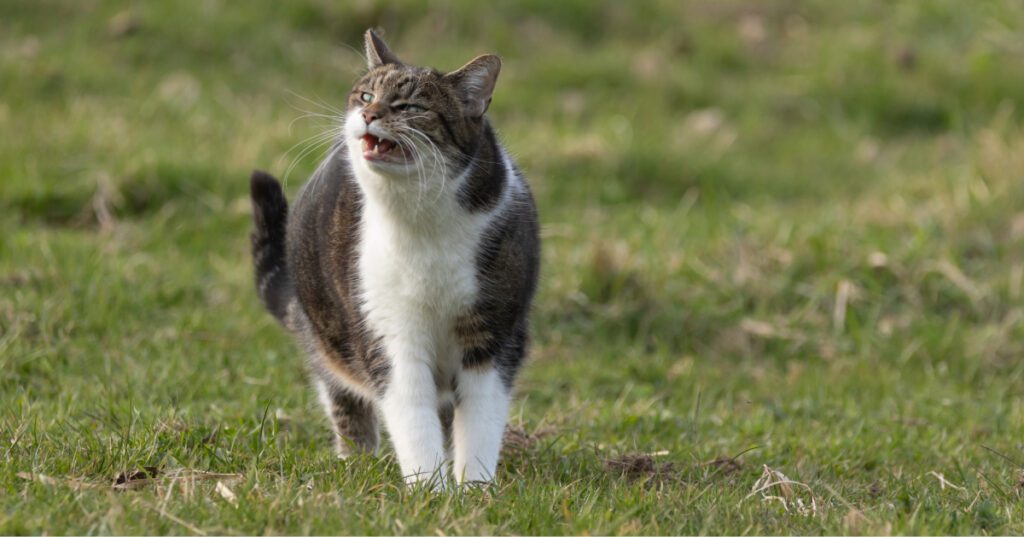
Is It Normal for Cats to Sneeze?
Yes, occasional cat sneezing is completely normal. Sneezing is a natural reflex that helps clear the nasal passages of irritants. A cat might sneeze after sniffing something dusty, after rolling in grass, or for no apparent reason at all. Normal cat sneezing is infrequent, brief, and not associated with other symptoms. When sneezing becomes frequent, when multiple sneezes occur in a row, or when you notice nasal discharge, eye symptoms, lethargy, or changes in appetite, these are signs that something more may be going on and your veterinarian at Best Friends Veterinary Care should take a look.
7 Common Causes of Cat Sneezing
Here are the most common reasons cats sneeze and what distinguishes each cause.
Upper Respiratory Infections
Upper respiratory infections (URIs) are the most common cause of sneezing in cats, especially in cats who have been in shelters, catteries, or multi-cat households. Cat URI is often caused by feline herpesvirus (FHV-1) or feline calicivirus, and sometimes by bacterial infections like Bordetella or Chlamydia. Sneezing associated with a cat upper respiratory infection is typically accompanied by nasal discharge (which may be clear or colored), watery or goopy eyes, lethargy, and reduced appetite. Some cats with herpesvirus develop lifelong, intermittent sneezing episodes that flare during periods of stress or illness. Veterinary treatment for cat URI may include antiviral medications, antibiotics for secondary bacterial infections, and supportive care.
Environmental Irritants
Cats have sensitive noses, and many common household products can trigger sneezing. Scented candles, air fresheners, cleaning products, perfumes, cigarette smoke, and even dusty cat litter can irritate the nasal passages and cause sneezing in cats. If your cat started sneezing after you introduced a new product into your home, this is often the culprit. Identifying and removing the irritant is usually all that’s needed, though a veterinary exam can help rule out other causes if sneezing persists.
Allergies
Can cats have allergies that cause sneezing? Yes, though allergies in cats more commonly cause skin problems than sneezing. Environmental allergies to pollen, dust, or mold can trigger sneezing in some cats. Unlike dogs, food allergies in cats rarely cause sneezing. If your cat’s sneezing appears to be seasonal or tied to specific environments, allergies may be worth discussing with your veterinarian at Best Friends Veterinary Care.
Dental Disease
This cause surprises many cat owners, but dental disease is actually a fairly common cause of cat sneezing. The roots of a cat’s upper teeth sit very close to the nasal passages. When severe periodontal disease, tooth root abscesses, or oro-nasal fistulas develop, bacteria and inflammation can extend into the nasal cavity, causing chronic sneezing and nasal discharge. If your cat is sneezing and also has bad breath, pawing at their face, or showing reluctance to eat, dental disease could be the culprit. A dental exam under anesthesia is needed to fully evaluate this possibility.
Foreign Bodies in the Nasal Passages
Cats that spend time outdoors or are particularly curious can occasionally inhale small foreign bodies such as grass blades, plant material, or small pieces of debris that become lodged in the nasal passage. A foreign body in the nose typically causes sudden, intense, and persistent sneezing that may be accompanied by pawing at the face, snoring sounds, or bloody discharge from one nostril. This situation requires veterinary attention promptly, as foreign bodies can cause significant irritation and secondary infection.
Nasal Polyps or Tumors
Benign growths called nasal polyps can develop in the nasal passages or nasopharynx of cats and may cause chronic sneezing, snoring, nasal discharge, or breathing changes. In older cats, nasal tumors are also a possibility that should not be overlooked. Nasal tumors in cats are relatively rare but tend to be aggressive. Chronic, progressive, or one-sided sneezing in a cat, especially in a senior cat, warrants thorough evaluation at Best Friends Veterinary Care including imaging if indicated.
Feline Herpesvirus Flare-Ups
Feline herpesvirus (FHV-1) deserves special mention because it is one of the most common causes of chronic, recurring sneezing in cats. Once a cat is infected with FHV-1, the virus remains latent in the nervous system for life. During periods of stress, illness, or immunosuppression, the virus can reactivate, causing sneezing episodes, eye discharge, and other upper respiratory symptoms. Cats with recurrent sneezing related to herpesvirus can often be managed with veterinary guidance, and your veterinarian at Best Friends Veterinary Care may discuss antiviral options, nutritional support, and stress reduction strategies.
What Does It Mean When a Cat Sneezes a Lot?
Frequent cat sneezing such as multiple times per day, or prolonged bouts of sneezing, is a signal that something is irritating or affecting the nasal passages and upper respiratory tract. The causes range from mild to serious. Rather than waiting to see if it resolves on its own, a veterinary evaluation is the most reliable way to determine the cause and get your cat appropriate care. At Best Friends Veterinary Care, diagnosing the cause of cat sneezing may involve a physical exam, evaluation of any nasal or eye discharge, bloodwork, imaging, or referral to a specialist depending on what the exam reveals.
Symptoms That Should Accompany a Vet Visit for Cat Sneezing
Some sneezing symptoms in cats are more concerning than others. Schedule an appointment with Best Friends Veterinary Care if your cat’s sneezing is accompanied by any of the following:
- Thick, yellow, green, or bloody nasal discharge
- Discharge from only one nostril (often indicates a localized problem such as a foreign body, polyp, or tumor)
- Eye discharge, squinting, or redness
- Loss of appetite or significant lethargy
- Difficulty breathing, noisy breathing, or open-mouth breathing
- Sneezing that has persisted for more than a few days or is getting worse over time
- Any sneezing in a kitten, senior cat, or cat with a known health condition
How Is Cat Sneezing Treated?
Treatment for cat sneezing depends entirely on the underlying cause. There is no one-size-fits-all approach, and at-home remedies are not a substitute for veterinary diagnosis. Common treatment approaches at Best Friends Veterinary Care include antibiotics or antiviral medications for infectious causes, dental treatment for dental disease-related sneezing, supportive care such as hydration and nutritional support for cats with upper respiratory infections, and surgical or specialist referral for polyps, foreign bodies, or nasal tumors. The key is identifying the cause first.
Frequently Asked Questions About Cat Sneezing
Can I catch a cold from my sneezing cat?
The viruses that cause upper respiratory infections in cats are not transmissible to people. However, some bacterial infections like Bordetella can occasionally infect humans, particularly those who are immunocompromised. If you have a sneezing cat in your household and a family member with a compromised immune system, mention this to your veterinarian.
Should I be worried if my cat sneezes blood?
Yes. Bloody discharge from the nose associated with sneezing in cats always warrants prompt veterinary attention. It can be caused by a foreign body, severe infection, trauma, a clotting disorder, or in some cases a nasal tumor. Don’t wait to see if it resolves. Call Best Friends Veterinary Care right away.
When Sneezing Becomes More Than Just a Sneeze
Most causes of cat sneezing are treatable, and many cats respond very well to appropriate care. At Best Friends Veterinary Care in Nesconset, NY, our veterinary team has the experience and diagnostic tools to evaluate your sneezing cat thoroughly and develop a targeted treatment plan. Whether your cat is dealing with a respiratory infection, allergies, dental disease, or something more complex, we are here to help. Call us at 631-656-5990 or book an appointment online, and let’s get your cat breathing comfortably again.
About Us
Best Friends Veterinary Care warmly welcomes you to our animal hospital in Nesconset, where we provide exceptional care for your pet and outstanding service for you and your pet. With longer appointment times, our team of experienced veterinarians offer their undivided attention and top-notch treatment for your pet during each visit to our hospital.