
The Ultimate Guide to Bad Breath in Dogs: Causes, Cures, and Prevention
Bad breath in dogs is more than just an unpleasant surprise when your pup leans in for a kiss. It can be a sign of a real health problem that deserves veterinary attention. While some dog breath odor is normal, persistent or severe bad breath in dogs, often called halitosis, is one of the most common reasons pet owners visit the vet. In this guide, our team at Best Friends Veterinary Care in Nesconset, NY breaks down everything you need to know about bad breath in dogs, from what causes it to how it’s treated and prevented.
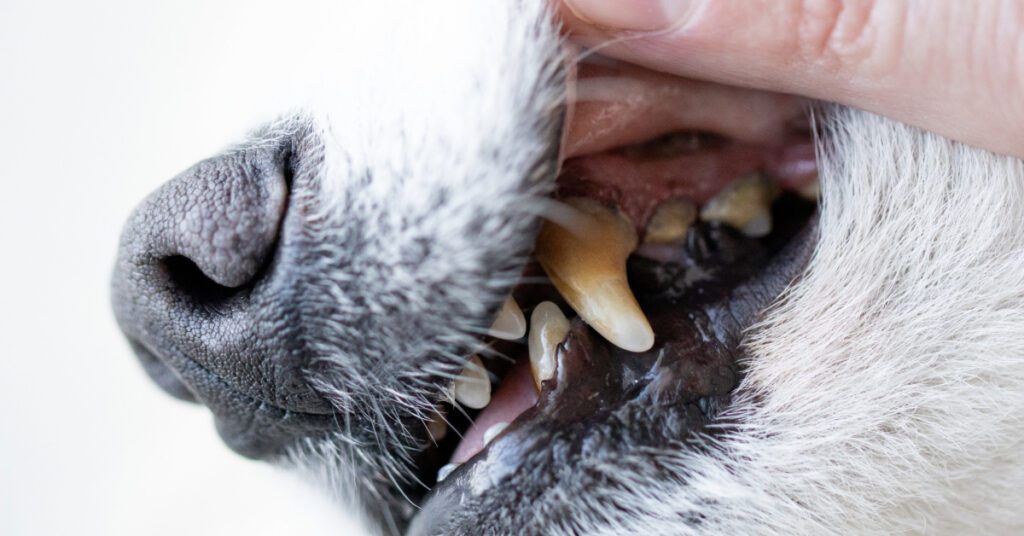
What Causes Bad Breath in Dogs?
Dog bad breath has many possible causes, but the most common by far is dental disease. Here are the primary causes of bad breath in dogs.
Dental Disease and Periodontal Disease
Periodontal disease, which includes gingivitis and more advanced gum disease, is the leading cause of bad dog breath. It affects the majority of dogs over the age of three. Plaque and tartar build up on the teeth over time, harboring bacteria that produce foul-smelling sulfur compounds. Without regular dental care, this process leads to infected gums, tooth root abscesses, and significant pain for your dog. The odor from dental disease in dogs can be genuinely difficult to tolerate and is a clear signal that professional care is needed.
Diet and What Your Dog Eats
Dogs that eat certain foods or raid the garbage may temporarily have bad breath. Dogs that eat feces (a behavior called coprophagia) will also have noticeably unpleasant breath. While dietary causes of dog bad breath are usually temporary, they still warrant a conversation with your vet if the behavior is persistent.
Kidney Disease
When the kidneys aren’t functioning properly, waste products build up in the bloodstream. One sign of kidney disease in dogs is breath that smells like urine or ammonia. If your dog’s bad breath has a chemical or metallic odor, this is a red flag that requires prompt veterinary evaluation.
Liver Disease
Liver disease can also cause halitosis in dogs. The breath may take on a musty or unusually foul odor. Often, liver-related bad dog breath is accompanied by other symptoms like jaundice (yellowing of the eyes or gums), vomiting, or loss of appetite.
Diabetes
Dogs with uncontrolled diabetes may have breath that smells sweet or fruity, which is a result of ketones accumulating in the body. Sweet-smelling bad breath in dogs is a warning sign that should never be ignored and warrants an immediate veterinary visit.
Is Bad Breath in Dogs Normal?
A slight odor to your dog’s breath is normal, especially right after eating. However, consistently foul, sweet, sour, or chemical-smelling breath is not something to dismiss. Halitosis in dogs is frequently an early or late warning sign of a health problem that needs to be addressed. At Best Friends Veterinary Care, we encourage dog owners to pay attention to changes in their pet’s breath and bring them to our attention at wellness visits or sooner if the odor is severe or sudden.
How Is Bad Dog Breath Diagnosed?
Diagnosing the cause of bad breath in dogs requires a thorough veterinary examination. At Best Friends Veterinary Care, this process typically includes:
- A full oral exam: Our veterinarians check your dog’s teeth, gums, and oral cavity for signs of tartar buildup, gingivitis, tooth fractures, abscesses, or masses.
- A physical examination: We assess your dog’s overall health, looking for signs of systemic disease that could be contributing to halitosis.
- Bloodwork and urinalysis: These diagnostics can detect kidney disease, liver disease, diabetes, and other conditions that cause bad breath in dogs.
- Dental X-rays: When dental disease is suspected, X-rays allow our team to assess what’s happening below the gum line, where much of the damage occurs.
How to Get Rid of Bad Breath in Dogs
Treatment for bad breath in dogs depends entirely on the underlying cause. There is no universal cure for dog halitosis, and over-the-counter dental products can only do so much if the root cause isn’t addressed. Here’s what effective treatment typically looks like for the most common causes.
Professional Dental Cleaning
For most dogs with bad breath caused by dental disease, a professional dental cleaning under anesthesia is the gold standard treatment. This procedure allows our veterinarians to remove plaque and tartar from all tooth surfaces, including below the gum line, and to address any infections, extractions, or other issues that contribute to dog bad breath. After a professional cleaning, many pet owners notice a dramatic improvement in their dog’s breath almost immediately.
Treatment of Underlying Medical Conditions
If the cause of your dog’s halitosis is kidney disease, liver disease, or diabetes, treating the underlying condition is essential. Managing these diseases with the appropriate medications, diet changes, and monitoring can reduce or eliminate the associated bad breath in dogs over time.
How to Prevent Bad Breath in Dogs
Prevention is always easier than treatment when it comes to dog bad breath. The good news is that regular dental care at home and at our veterinary clinic can significantly reduce the risk of halitosis in dogs. Here’s how to keep your dog’s breath fresher and their oral health strong.
Brush Your Dog’s Teeth Regularly
Brushing your dog’s teeth is the single most effective thing you can do to prevent bad dog breath and dental disease. Aim for daily brushing with a toothbrush and toothpaste formulated specifically for dogs. Human toothpaste contains ingredients that are toxic to dogs and should never be used.
Provide Veterinarian-Approved Dental Chews and Toys
Dental chews and toys can help reduce plaque buildup between brushings. Look for products that carry the Veterinary Oral Health Council (VOHC) seal, which indicates they have been tested and proven to reduce plaque or tartar in dogs. Your veterinarian can recommend the right products for your dog’s size and chewing style.
Schedule Annual Veterinary Dental Exams
Even with great at-home dental care, professional dental evaluations are important. Our team at Best Friends Veterinary Care recommends annual oral exams as part of your dog’s wellness care. Catching dental disease early means less invasive treatment and a healthier mouth for your dog long-term.
Frequently Asked Questions About Dog Bad Breath
What does it mean if my dog’s breath smells like fish?
Fishy-smelling dog breath is often related to diet, particularly in dogs that eat fish-based foods or get into things they shouldn’t. It can also be associated with anal gland issues in some dogs. If the odor is persistent, mention it at your next veterinary visit.
Can bad breath in dogs go away on its own?
It depends on the cause. Temporary bad dog breath from something your dog ate may resolve on its own. Bad breath caused by dental disease, infection, or systemic illness will not improve without veterinary treatment.
What Your Dog’s Breath Is Telling You
Bad breath in dogs is almost always a message worth listening to. At Best Friends Veterinary Care in Nesconset, NY, our veterinary team is experienced in diagnosing and treating halitosis in dogs, from routine dental cleanings to comprehensive management of systemic conditions. Don’t wait for your dog’s breath to become unbearable. Call 631-656-5990 or book an appointment online today, and let us help your dog enjoy better oral health and a fresher start.
About Us
Best Friends Veterinary Care warmly welcomes you to our animal hospital in Nesconset, where we provide exceptional care for your pet and outstanding service for you and your pet. With longer appointment times, our team of experienced veterinarians offer their undivided attention and top-notch treatment for your pet during each visit to our hospital.