
The Lifelong Shield: Why Cat Vaccinations are the Best Investment in Their Health
Cat vaccinations are one of the most powerful and cost-effective tools available for protecting your cat’s long-term health. Vaccines work by preparing your cat’s immune system to recognize and fight off specific infectious diseases before those diseases can cause serious harm. At Best Friends Veterinary Care in Nesconset, NY, we consider cat vaccines to be a cornerstone of preventive care, not just for the individual cat, but for the health of all cats in the household and community. In this guide, we’ll explain what cat vaccinations protect against, which vaccines your cat needs, how the schedule works, and why keeping up with them is one of the most important things you can do for your feline companion.
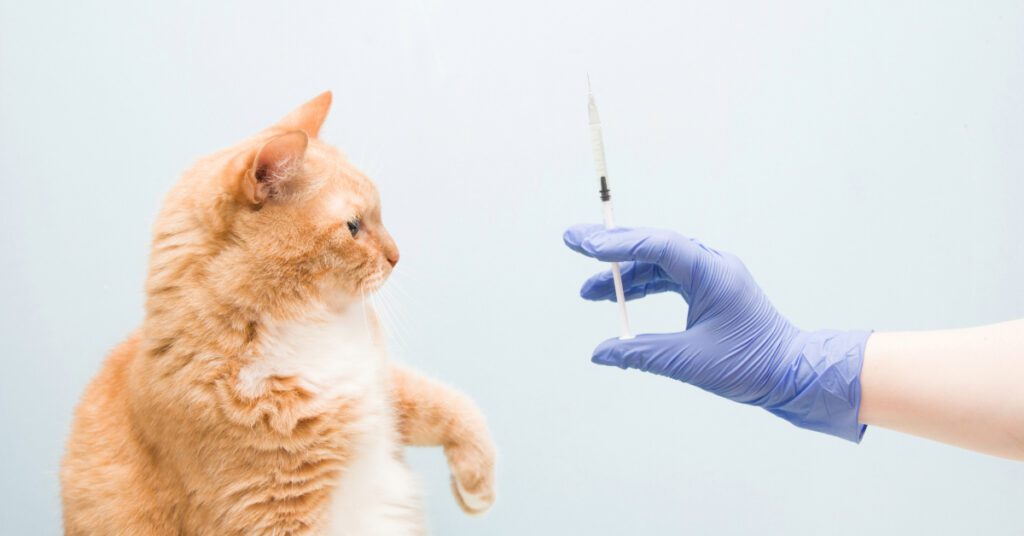
Why Are Cat Vaccinations Important?
Cat vaccines at Best Friends Veterinary Care protect against diseases that are not only serious but can be fatal. Some of these illnesses spread easily among cats, and several can persist in the environment for extended periods, meaning even indoor cats can be at risk under certain circumstances. Cat vaccinations are important because they:
- Prevent illness and death: Many of the diseases that cat vaccinations protect against can cause severe illness or death in unvaccinated cats, even with aggressive treatment.
- Reduce disease spread: Vaccination reduces the number of susceptible cats in the population, which limits the spread of contagious diseases through both direct contact and environmental exposure.
- Protect against zoonotic disease: Rabies is a fatal disease transmissible to humans. Rabies vaccination for cats is legally required in New York State and is essential for public health.
- Save money long-term: Treating a sick cat is almost always far more expensive than the cost of vaccines. Preventive cat vaccines are a sound financial investment as well as a health one.
Core vs. Non-Core Cat Vaccines: What’s the Difference?
Veterinary guidelines divide cat vaccinations into two categories: core vaccines and non-core vaccines. Understanding the difference helps explain why your veterinarian recommends certain vaccines for every cat and others based on individual risk factors.
Core Cat Vaccines
Core cat vaccines are recommended for all cats regardless of lifestyle, because the diseases they protect against are either highly contagious, severe, or transmissible to humans. At Best Friends Veterinary Care, core vaccines for cats include:
- FVRCP (Feline Viral Rhinotracheitis, Calicivirus, Panleukopenia): Often called the distemper combination vaccine, FVRCP protects against three of the most common and serious feline respiratory and gastrointestinal diseases. Panleukopenia (feline distemper) is especially dangerous and can be fatal in kittens.
- Rabies: Required by New York State law for cats. Rabies is a fatal disease in cats and humans alike. Regular rabies vaccinations are a non-negotiable part of responsible cat ownership.
Non-Core Cat Vaccines
Non-core cat vaccines are recommended based on a cat’s individual risk profile. At Best Friends Veterinary Care, our veterinarians assess your cat’s lifestyle, environment, and health history before recommending non-core vaccines. These may include:
- Feline Leukemia Virus (FeLV): Recommended for cats who go outdoors or live with other cats whose FeLV status is unknown. FeLV is a serious viral disease that suppresses the immune system and can lead to cancer. It spreads through close contact between cats.
- Feline Immunodeficiency Virus (FIV): A discussion of FIV vaccination may be appropriate for cats at high risk of exposure through bites or fighting.
- Bordetella and Chlamydia: Sometimes recommended for cats in multi-cat environments or catteries where respiratory disease is common.
The Kitten Vaccination Schedule
Kitten vaccinations follow a specific schedule designed to build immunity during the period when kittens are most vulnerable. Kittens receive maternal antibodies from their mothers that offer temporary protection but also interfere with vaccine response. The kitten vaccination schedule is designed to bridge the gap as maternal immunity wanes. At Best Friends Veterinary Care, we typically recommend the following for kittens:
FVRCP Vaccine Schedule for Kittens
The FVRCP vaccine is given as a series starting at 6 to 8 weeks of age, then boostered every 3 to 4 weeks until the kitten is 16 weeks old or older. This series is critical for establishing reliable protection.
Rabies Vaccine for Kittens
The rabies vaccine is typically given at 12 to 16 weeks of age in New York State. A booster is given one year later, and then every one to three years depending on the vaccine used and local regulations.
Adult Cat Vaccination Schedule and Boosters
After completing the kitten vaccine series, adult cats need boosters to maintain protection. The adult cat vaccination schedule at Best Friends Veterinary Care is guided by current veterinary guidelines and tailored to each cat’s needs. FVRCP is generally boostered one year after the kitten series, then every three years for low-risk adult cats. Rabies boosters follow the one-year and then every one-to-three-year schedule. FeLV vaccination schedules vary based on ongoing risk assessment. Regular annual wellness exams give our veterinarians the opportunity to reassess your cat’s vaccine needs as their lifestyle and health status change.
Are Cat Vaccines Safe?
Cat vaccines are very safe. The benefits of vaccination far outweigh the risks for the vast majority of cats. Mild reactions such as temporary soreness at the injection site, lethargy, or a low-grade fever for 24 to 48 hours after vaccination are normal and resolve on their own. Serious vaccine reactions in cats are rare but can occur. At Best Friends Veterinary Care, our veterinarians monitor patients after vaccination and are prepared to address any reactions promptly. One specific concern for cats is feline injection-site sarcoma, a rare but serious tumor that can develop at vaccination sites. Our veterinarians follow current guidelines for vaccine placement to minimize this risk while ensuring your cat remains fully protected.
Do Indoor Cats Need Vaccinations?
The short answer is yes, indoor cats still need core vaccinations. Rabies vaccination is required by law regardless of indoor-only status. Even indoor cats can be exposed to disease through open windows, contact with shoes or clothing that have been outdoors, escape incidents, boarding, or veterinary visits. Panleukopenia, one of the diseases in the FVRCP vaccine, is extremely hardy in the environment and can survive for years. The small risk of vaccination is far outweighed by the protection it provides, even for cats who rarely or never go outside.
Frequently Asked Questions About Cat Vaccinations
What vaccinations do cats need every year?
Most cats need a rabies booster annually or every three years depending on the specific vaccine used. FVRCP is typically given every three years in adult cats after the initial series and one-year booster. Non-core vaccines like FeLV may be given annually for at-risk cats. Your veterinarian at Best Friends Veterinary Care will determine the right schedule for your individual cat.
How much do cat vaccinations cost?
The cost of cat vaccinations varies depending on the vaccines needed and whether they are combined with a wellness exam. Compared to the cost of treating a cat for feline panleukopenia, FeLV, or other serious diseases, routine cat vaccines represent excellent value. Contact our team directly for current pricing information.
What happens if I miss my cat’s vaccination booster?
If a booster is overdue, your cat may need to restart a vaccine series depending on how much time has elapsed. Don’t wait and assume your cat is still protected. Contact Best Friends Veterinary Care so we can assess what’s needed to restore full protection.
An Investment That Lasts a Lifetime
Cat vaccinations represent one of the most straightforward, proven ways to give your cat a healthier, longer life. At Best Friends Veterinary Care in Nesconset, NY, our veterinary team is committed to providing personalized vaccine recommendations that reflect your cat’s actual lifestyle and risk profile, not a one-size-fits-all approach. Whether you have a new kitten ready for their first vaccines or an adult cat who has fallen behind on boosters, we are here to help. Call us at 631-656-5990 or book an appointment online today.
About Us
Best Friends Veterinary Care warmly welcomes you to our animal hospital in Nesconset, where we provide exceptional care for your pet and outstanding service for you and your pet. With longer appointment times, our team of experienced veterinarians offer their undivided attention and top-notch treatment for your pet during each visit to our hospital.