
8 Tips for How to Treat Dry Skin on Dogs
Dry skin on dogs is one of the most common concerns pet owners bring to our veterinary clinic and for good reason. When your dog’s skin is dry, flaky, or itchy, it’s uncomfortable for them and worrying for you. The good news is that many cases of dry skin in dogs are manageable with the right care and guidance from your veterinarian. In this article, our team at Best Friends Veterinary Care in Nesconset, NY shares eight practical tips to help you understand, address, and prevent dog dry skin issues.
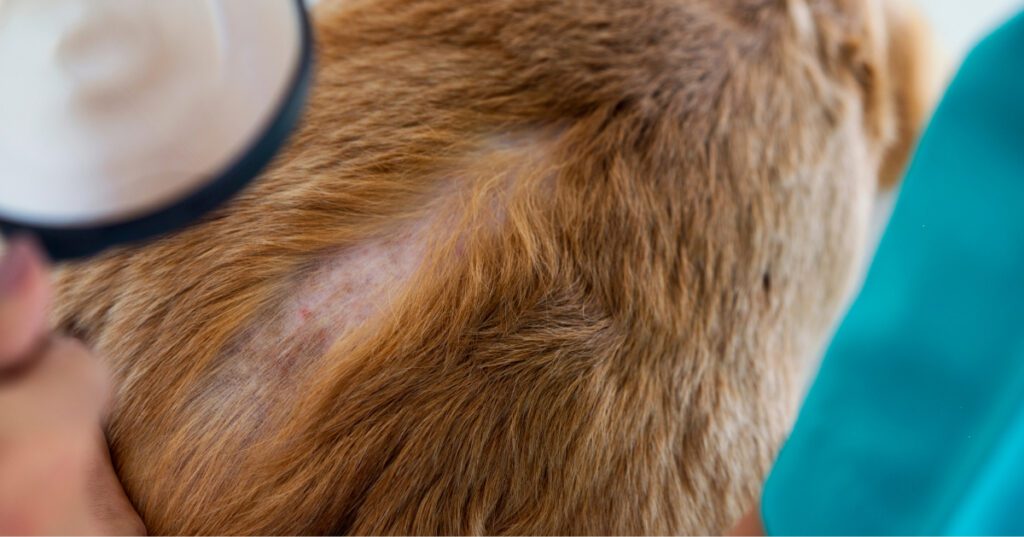
What Causes Dry Skin on Dogs?
Dry, flaky skin in dogs can result from a wide range of underlying causes, some environmental and some medical. Identifying the root cause is the first step toward effective treatment.
Common Causes of Dog Dry Skin
- Seasonal and environmental factors: Low humidity in winter months, dry indoor air from heating systems, and excessive bathing can all strip natural oils from your dog’s coat and skin.
- Nutritional deficiencies: A diet lacking in essential fatty acids, particularly omega-3 and omega-6, is one of the leading dietary causes of dry skin in dogs.
- Allergies: Dogs can develop environmental allergies (pollen, mold, dust mites) or food allergies that manifest as itchy, flaky, or inflamed skin.
- Parasites: Mange, caused by mites, and other external parasites can lead to severe skin dryness, hair loss, and discomfort.
- Underlying health conditions: Hypothyroidism, Cushing’s disease, and other systemic illnesses can cause or worsen dry skin in dogs.
Because so many different factors can contribute to dog dry skin, a visit to Best Friends Veterinary Care is the best way to get an accurate diagnosis and a tailored treatment plan.
How to Treat Dry Skin on Dogs: 8 Veterinarian-Approved Tips
These eight tips will help you support your dog’s skin health and work in partnership with your veterinarian to address dry skin on dogs effectively.
1. Schedule a Veterinary Exam First
The most important step when you notice your dog has dry skin is to schedule a veterinary appointment. Dry skin on dogs can look similar regardless of whether the cause is dietary, allergic, parasitic, or systemic. Trying to treat dog dry skin at home without knowing the cause can delay proper care and allow underlying conditions to worsen. At Best Friends Veterinary Care, our veterinarians will examine your dog’s skin and coat, ask about their diet and lifestyle, and recommend appropriate diagnostics if needed.
2. Review and Improve Your Dog’s Diet
Nutrition plays a major role in skin and coat health. Dogs with dry, dull, or flaky skin are often lacking adequate levels of omega fatty acids in their diet. Your veterinarian can recommend a high-quality dog food formulated to support skin health, or discuss the potential benefits of omega-3 or omega-6 supplements. Never add supplements to your dog’s diet without first consulting your vet. Getting the right balance matters.
3. Don’t Overbath Your Dog
Bathing your dog too frequently or using the wrong shampoo can disrupt the natural oils that keep their skin hydrated. Most dogs only need a bath once every four to six weeks, though this varies by breed and lifestyle. When you do bathe your dog, use a veterinarian-recommended, moisturizing dog shampoo. Human shampoos and dish soaps are far too harsh for canine skin and can worsen dog dry skin significantly.
4. Add Moisture to the Environment
If your home is particularly dry, especially in winter, a humidifier can benefit both you and your dog. Dry indoor air contributes to dry skin in dogs just as it does in people. Keeping indoor humidity at a comfortable level helps prevent moisture from being drawn out of your dog’s skin and coat.
5. Stay Current on Parasite Prevention
Mites, fleas, and other external parasites are a well-known cause of dry, itchy skin in dogs. Year-round parasite prevention is one of the simplest and most effective ways to protect your dog’s skin. Ask our team at Best Friends Veterinary Care which parasite prevention products are appropriate for your dog’s age, size, and lifestyle.
6. Watch for Signs of Allergies
Allergies are among the most common causes of dry skin on dogs. Whether triggered by environmental allergens like pollen and mold or by ingredients in your dog’s food, allergic skin disease in dogs often shows up as persistent itching, redness, and flakiness. If your dog’s dry skin is accompanied by excessive licking, paw chewing, or recurrent ear infections, allergies may be to blame. A veterinary evaluation can help pinpoint the triggers.
7. Groom Regularly but Gently
Regular brushing stimulates natural oil production in the skin and distributes those oils throughout your dog’s coat. For dogs with dry skin, brushing a few times a week can make a noticeable difference in coat quality. Use brushes and grooming tools appropriate for your dog’s coat type to avoid irritating already-sensitive skin.
8. Follow Your Vet’s Treatment Plan Consistently
Whether your veterinarian prescribes medicated shampoos, dietary changes, allergy management, or treatment for an underlying condition, consistency is key. Many pet owners see improvement in their dog’s dry skin relatively quickly when they stick to the prescribed plan. If you have questions or concerns along the way, don’t hesitate to reach out to the Best Friends Veterinary Care team.
When Is Dry Skin on Dogs a Medical Emergency?
Most cases of dry skin on dogs are not emergencies, but some signs warrant prompt veterinary attention. Contact Best Friends Veterinary Care right away if your dog’s dry skin is accompanied by:
- Open sores, wounds, or significant hair loss
- Intense scratching that breaks the skin and creates secondary infections
- Sudden onset of severe itching combined with lethargy, vomiting, or swelling
- Signs of pain or significant behavioral changes related to skin discomfort
These symptoms could indicate a more serious underlying condition that needs immediate care.
Frequently Asked Questions About Dry Skin on Dogs
Can dry skin on dogs be cured?
In many cases, yes, especially when the cause is dietary or environmental. When dry skin in dogs is linked to allergies or chronic health conditions, it can often be effectively managed with veterinary guidance so your dog remains comfortable and healthy.
What dog breeds are most prone to dry skin?
Breeds such as Bulldogs, Basset Hounds, Siberian Huskies, and Cocker Spaniels are known to be more prone to skin conditions including dryness and allergies. However, any dog of any breed can develop dry skin under the right conditions.
Your Partner in Healthy Skin and Happy Dogs
At Best Friends Veterinary Care in Nesconset, NY, we know that a dog with itchy, dry skin is a dog who isn’t fully comfortable, and that affects the whole family. Our experienced veterinary team is here to help you identify the cause of your dog’s dry skin and develop a realistic, effective care plan. Whether your pet needs a dietary adjustment, allergy testing, parasite treatment, or management of an underlying condition, we’re ready to help. Call 631-656-5990 or book an appointment online and take the first step toward healthier, happier skin for your dog.
About Us
Best Friends Veterinary Care warmly welcomes you to our animal hospital in Nesconset, where we provide exceptional care for your pet and outstanding service for you and your pet. With longer appointment times, our team of experienced veterinarians offer their undivided attention and top-notch treatment for your pet during each visit to our hospital.