
An occasional episode of a dog eating grass and throwing up is usually normal behavior, but frequent vomiting, lethargy, or changes in appetite can point to an underlying illness that needs a veterinarian’s attention. Grass grazing ranks among the most common questions pet owners in Nesconset bring to Best Friends Veterinary Care, and it’s easy to see why. Watching your pup chew on the lawn, then bring it all back up a few minutes later, can feel unsettling. The reassuring part is that grass itself rarely causes harm. The bigger question is what drives the habit and whether any other symptoms are tagging along. In this guide, we explain why dogs graze, how to tell harmless behavior from a red flag, whether grass is safe to eat, and which steps can help curb the habit. With the right information, you can make confident decisions about your dog’s health and know exactly when to call your vet.
Why Do Dogs Eat Grass?
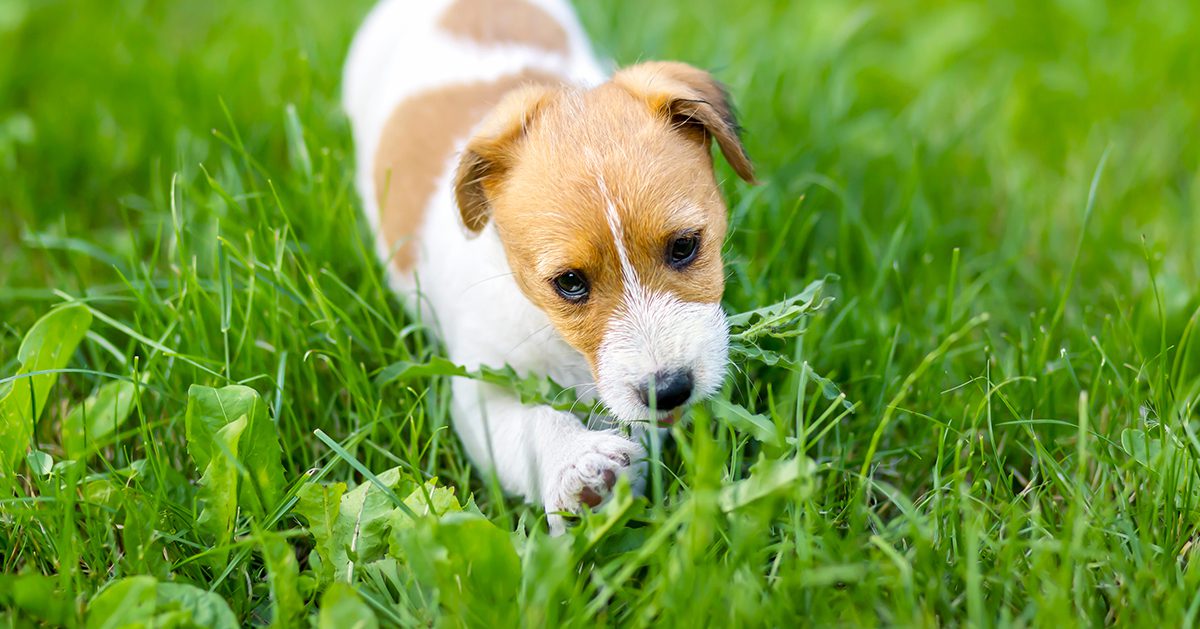
Dogs eat grass for a mix of instinctive, behavioral, and dietary reasons, and most grazing dogs are perfectly healthy. Understanding the motivation behind the habit helps you decide whether a dog eating grass and throwing up needs medical attention. Researchers haven’t pinned down one single cause, but several explanations show up again and again.
Instinct Passed Down From Wild Ancestors
Wolves and other wild canines regularly eat plant material, both directly and through the stomach contents of their prey. Many experts believe modern dogs inherited this scavenging tendency. A survey conducted at the University of California, Davis found that plant eating is extremely common in dogs, and fewer than 10% of grass-eating dogs showed signs of illness beforehand. In other words, most dogs nibble grass simply because they’re wired to.
Boredom, Anxiety, and Attention
Dogs that spend long stretches alone in the yard often turn to grass for entertainment. Some pups graze when they feel anxious, while others quickly learn that chewing the lawn earns a reaction from their owner. Younger, high-energy dogs tend to show this pattern more often than seniors.
Taste, Texture, and Diet
Some dogs genuinely enjoy the flavor and texture of fresh grass, especially tender spring growth. Others may seek out roughage, which has led to theories about fiber intake, although the evidence remains limited. Common motivations include:
- Natural scavenging instincts inherited from wild canines
- Boredom or a lack of mental stimulation
- Anxiety or a need for self-soothing
- Simple enjoyment of the taste or texture
- Attention-seeking when the behavior gets a reaction
- Possible upset stomach, though this applies to a smaller group of dogs
Is Your Dog Sick If They Eat Grass and Vomit?
Not necessarily, because a single bout of a dog eating grass and throwing up often has nothing to do with illness. Context matters, and the pattern you notice at home gives your veterinarian valuable clues.
When the Habit Is Likely Harmless
Grass blades can tickle the throat and stomach lining, which sometimes triggers vomiting on its own. If you spot your dog eating grass and throwing up once, then returning to normal eating, playing, and energy levels, the episode is usually nothing to worry about. Research suggests only about one in four grass-eating dogs vomits afterward, so throwing up isn’t even the typical outcome. Dogs that graze calmly and casually, rather than frantically gulping, also tend to fall into the harmless category.
Warning Signs That Call for a Vet Visit
Frequent episodes of a dog eating grass and throwing up deserve a closer look, especially when other symptoms appear. Contact your veterinarian promptly if you notice:
- Vomiting more than once or twice in a day, or on several days in a row
- Blood, unusual color, or foreign objects in the vomit
- Lethargy, weakness, or hiding behavior
- Loss of appetite or refusal to drink water
- Diarrhea, constipation, or straining to pass stool
- A bloated, tender, or painful belly
- Frantic, urgent grass eating that seems compulsive
- Unexplained weight loss over weeks or months
Conditions a Veterinarian May Investigate
A dog eating grass and throwing up on a regular basis may be dealing with gastrointestinal upset, dietary indiscretion, intestinal parasites, inflammatory bowel disease, pancreatitis, or a swallowed foreign object. A physical exam, along with bloodwork, fecal testing, or imaging when needed, helps your veterinarian identify the cause. If something seems off, call to schedule an appointment rather than waiting it out.
Is Grass Safe for Dogs to Eat?
Plain, untreated grass is generally safe for dogs and isn’t toxic on its own. The real risks come from what’s on the grass or growing beside it, which is why the setting matters as much as the snack.
Hidden Hazards on Lawns and in Parks
A neighborhood lawn or public park can look harmless while hiding several dangers. Many Long Island homeowners apply lawn treatments in spring and fall, and dogs walking through freshly treated areas may ingest residue. Grass in high-traffic spots can also carry parasite eggs left behind by other animals. Keep an eye out for these common hazards:
- Fertilizers, herbicides, and pesticides applied to lawns and landscaping
- Intestinal parasites such as roundworms and hookworms from contaminated soil
- Toxic plants growing alongside grass, including azaleas, foxglove, and lily of the valley
- Sharp seed heads and grass awns that can lodge in the mouth, nose, or throat
- Mushrooms that pop up after rain, some of which are highly toxic
Your Yard Versus Unfamiliar Ground
Grass in your own chemical-free yard poses far less risk than turf in parks, roadside strips, or other people’s lawns. You control what goes on your grass at home, so you know exactly what your dog might swallow. When you’re out on walks, it’s smart to steer your pup away from grazing until you know the area hasn’t been treated recently. When you notice your dog eating grass and throwing up after an outing, note where the grass came from and share that detail with your veterinarian.
If your dog eats grass from an unknown source and then shows symptoms such as drooling, tremors, repeated vomiting, or weakness, treat the situation as urgent and contact a veterinarian right away. Quick action gives your pet the best possible outcome.
How Can You Stop Your Dog From Eating Grass and Throwing Up?
The most effective way to stop a dog eating grass and throwing up is to rule out medical causes first, then address the behavioral side of the habit. Pairing veterinary guidance with a few practical changes at home works better than any single fix.
Start With a Veterinary Exam
Before you focus on training, schedule a wellness visit so your veterinarian can check for parasites, digestive issues, or other health concerns that might fuel the behavior. If your dog’s diet could play a role, your vet can recommend whether a change makes sense. Avoid switching foods or adding supplements on your own, since sudden diet changes can upset the stomach and muddy the picture.
Supervise and Redirect Outdoor Time
Leash walks give you more control over what your dog puts in their mouth. Teaching a reliable “leave it” cue, then rewarding your pup with praise or a treat when they obey, helps break the grazing habit over time. Unsupervised hours in the yard often lead straight back to the lawn, so stay nearby when your dog is outside, at least while you work on new routines.
Add More Exercise and Enrichment
A bored dog finds its own entertainment, and grass makes an easy target. Longer walks, game sessions, puzzle feeders, and safe chew toys keep your dog’s mind and body busy. Rotating toys every few days keeps them feeling new and interesting, and fewer idle hours often means fewer episodes of a dog eating grass and throwing up. If anxiety seems to drive the habit, your veterinarian can discuss behavioral strategies or refer you to a trainer who specializes in stress-related behaviors.
Consistency matters most. Most dogs respond within a few weeks when owners combine supervision, redirection, and enrichment with regular veterinary care.
Getting Answers About Your Dog’s Grass Habit in Nesconset
An occasional case of a dog eating grass and throwing up is rarely cause for alarm, but repeated episodes, new symptoms, or a sudden change in behavior deserve professional attention. You know your dog better than anyone, so trust your instincts when something seems different. A thorough exam can uncover hidden issues early, when they’re often easier to manage, and it can also give you peace of mind when the habit turns out to be harmless.
The team at Best Friends Veterinary Care welcomes pet owners throughout Nesconset and nearby Long Island communities who have questions about grass eating, vomiting, or any other change in their dog’s routine. We’ll take time to listen, examine your pup, and build a plan that fits their needs. Call to schedule a visit and get clear answers about your dog’s health.
About Us
Best Friends Veterinary Care warmly welcomes you to our animal hospital in Nesconset, where we provide exceptional care for your pet and outstanding service for you and your pet. With longer appointment times, our team of experienced veterinarians offer their undivided attention and top-notch treatment for your pet during each visit to our hospital.