
Dog panting is usually a normal way for your pet to cool down, release excitement, or recover after exercise, but heavy panting at rest, at night, or alongside other symptoms can signal pain, stress, or a medical problem. Since dogs don’t sweat the way people do, panting serves as their main built-in cooling system. That’s why you’ll see your dog panting after a game of fetch or a warm afternoon walk. Still, many owners in Nesconset reach out to Best Friends Veterinary Care because their dog’s breathing suddenly seems faster, louder, or more frequent than usual. Knowing what counts as normal makes it much easier to spot trouble early. This guide explains why dogs pant, what causes excessive dog panting, how to recognize breathing that needs attention, and what steps to take when your pup won’t settle down.
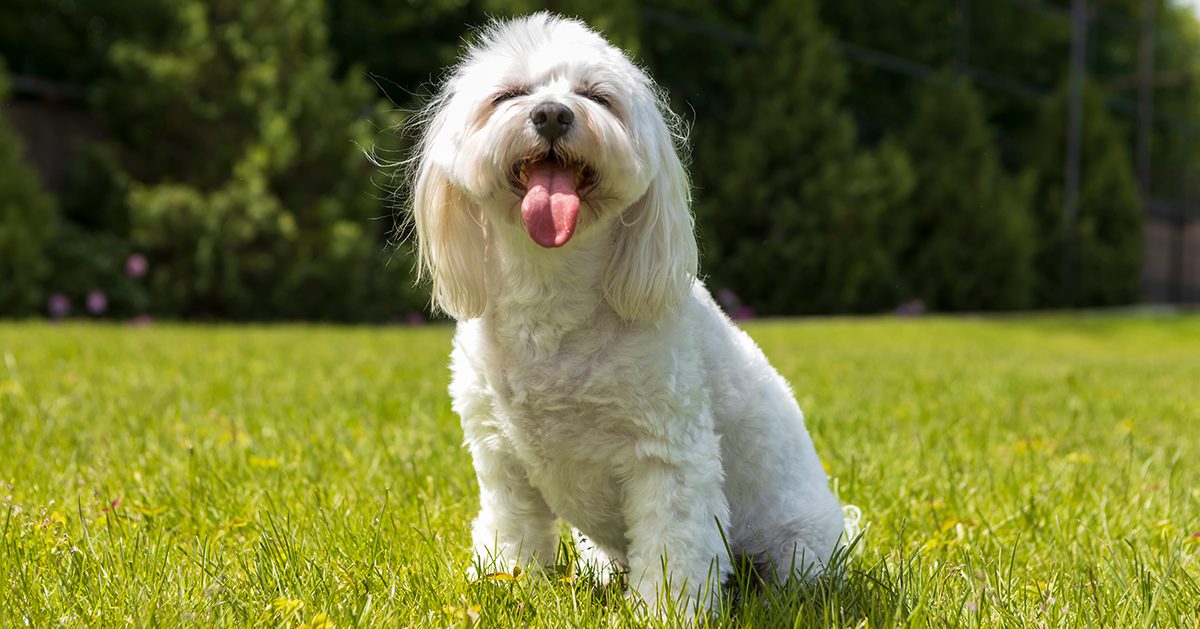
Why Does a Dog Pant?
Dogs pant mainly to regulate body temperature, though emotions and physical effort play a role too. Understanding the purpose behind normal dog panting helps you notice when something changes.
Panting as a Cooling System
Dogs have only a few sweat glands, mostly located in their paw pads. Instead of sweating, they rely on rapid, shallow breaths that move air over the moist surfaces of the tongue, mouth, and upper airways. As that moisture evaporates, it carries heat away from the body. A dog’s normal resting breathing rate typically falls between 15 and 30 breaths per minute, while dog panting during cooling can climb well above 200 breaths per minute. That jump looks dramatic, but it’s simply your pet’s thermostat at work.
Breed and Age Differences
Flat-faced breeds have shortened airways, so a brachycephalic dog panting after a short stroll may be working much harder than a Labrador on the same route. Puppies and senior dogs may also pant more readily than healthy adults. Learning what normal dog panting looks like for your individual pet gives you a reliable baseline for comparison.
Excitement, Play, and Physical Effort
A dog panting after a long walk, a romp at the dog park, or an enthusiastic greeting at the front door is behaving exactly as expected. Exercise raises body temperature and oxygen demand, and panting helps meet both needs. Emotional arousal triggers the same response, which explains why many pups pant when visitors arrive or when they hear the leash jingle.
Typical, healthy reasons for dog panting include:
- Warm weather or a heated room
- Recent exercise, play, or a brisk walk
- Happy excitement, such as greeting family members
- Mild nervousness during car rides or vet visits
- Breed traits, especially in flat-faced dogs like Pugs, Bulldogs, and Boston Terriers
In each of these situations, panting should ease within a few minutes once your dog calms down, rests, or cools off.
Why Is My Dog Panting So Much?
When dog panting continues long after exercise, happens while your pet is resting, or seems out of proportion to the situation, an underlying cause may be at play. Several medical and emotional factors can lead to heavy breathing.
Heat-Related Illness
Heatstroke is one of the most urgent causes of excessive dog panting. Hot cars, humid summer days, and overexertion can push a dog’s body temperature to dangerous levels quickly. Flat-faced breeds, overweight dogs, and seniors face a higher risk because they struggle to cool themselves efficiently. Long Island summers bring plenty of humid days, and a dog panting heavily on a muggy afternoon may be closer to overheating than many owners realize.
Pain, Anxiety, and Fear
Dogs often hide pain, and heavy panting may be one of the few outward clues. Arthritis, injuries, and post-surgical discomfort can all cause a dog panting at odd times. Fear and anxiety produce a similar pattern, so you might see your dog panting during thunderstorms, fireworks, or when left alone. Major life changes, such as a move or a new pet in the household, can also trigger stress-related dog panting that fades as your pup adjusts.
Underlying Health Conditions
Several medical issues list frequent dog panting among their signs. Your veterinarian may consider:
- Cushing’s disease, a hormonal disorder common in middle-aged and older dogs
- Heart disease, which can reduce oxygen delivery and cause breathing changes
- Respiratory conditions such as laryngeal paralysis, collapsing trachea, or pneumonia
- Anemia, which lowers the blood’s ability to carry oxygen
- Obesity, which makes breathing and cooling harder work
- Side effects from certain medications, including steroids
- Poisoning or toxin exposure
Only a veterinary exam can pinpoint which factor, if any, is responsible. Diagnostic tools such as bloodwork, X-rays, or heart evaluations help your vet build an accurate picture of what’s happening.
How Can You Tell If a Dog Is Excessively Panting?
The clearest sign of abnormal dog panting is breathing that doesn’t match what your pet is doing. Comparing your dog’s current behavior with their usual baseline is the best place to start.
Compare Panting to Activity and Temperature
Ask yourself a few simple questions. Is the room cool? Has your dog been resting for a while? Did anything exciting or stressful just happen? If your dog panting heavily makes no sense given the setting, take note. Dog panting at night, while lying quietly, or in air-conditioned rooms deserves extra attention, especially when it’s a new behavior.
Watch for Accompanying Red Flags
Panting rarely tells the whole story by itself. These signs suggest a dog panting excessively needs prompt veterinary care:
- Pale, gray, blue, or bright red gums or tongue
- Loud, raspy, or noisy breathing sounds
- Panting that continues for more than 30 minutes without an obvious reason
- Restlessness, pacing, or an inability to lie down comfortably
- Collapse, stumbling, or extreme weakness
- Drooling, vomiting, or diarrhea alongside heavy breathing
- A swollen or bloated abdomen
- Coughing or labored breathing that involves the belly muscles
Track Changes Over Time
Gradual shifts matter too. If your senior dog pants more on walks than they did last year, or you notice your dog panting more often at rest, jot down when it happens, how long it lasts, and what preceded it. A short phone video of the breathing can also help your veterinarian assess the pattern during an exam. Patterns in dog panting often reveal more than any single episode.
What Should You Do If Your Dog Is Panting Heavily?
If your dog’s heavy panting seems unusual, the safest step is to contact your veterinarian promptly. Quick action can make a meaningful difference, particularly with conditions like heatstroke, bloat, or poisoning.
Know When It’s an Emergency
Some situations call for immediate care rather than a scheduled appointment. Treat dog panting as an emergency if it comes with collapse, gum color changes, a distended belly, known toxin exposure, or recent time in a hot car or extreme heat. In these cases, stop all activity and call your veterinarian or the nearest emergency animal hospital right away so the team can prepare for your arrival.
Schedule an Exam for Ongoing Panting
Not every case of heavy dog panting requires a race to the ER. If your pet seems otherwise comfortable but pants more than usual, at night, or for no clear reason, book an exam soon. Your veterinarian will listen to your dog’s heart and lungs, check their temperature, review their history, and recommend any testing needed to find the cause. Ongoing dog panting in older pets deserves particular attention, since conditions like Cushing’s disease and heart disease become more common with age. Avoid giving human pain relievers or other medications on your own, since many are toxic to dogs and can mask important symptoms.
Share Helpful Details With Your Vet
Information you gather at home speeds up the diagnostic process. Be ready to describe when the heavy dog panting first started, how often it happens, any recent diet or medication changes, and other symptoms you’ve noticed. Those details help your veterinary team focus on the most likely causes and create a care plan that fits your dog.
Getting Expert Help for Your Dog’s Breathing in Nesconset
Most dog panting is a healthy, everyday response to heat, play, and excitement. When the breathing seems heavier, lasts longer, or happens at unexpected times, though, it’s worth a closer look from a professional. You know your pet’s habits better than anyone, so trust that instinct when something feels off. Whether you notice dog panting during quiet evenings or after unusually short walks, a professional exam can bring peace of mind. Early evaluation often leads to simpler treatment and a more comfortable pup.
The caring team at Best Friends Veterinary Care helps pet owners across Nesconset and the surrounding Long Island area get clear answers about breathing changes, panting, and other health concerns. We’ll examine your dog thoroughly, explain what we find, and recommend next steps tailored to their needs. Call to schedule an appointment and give your dog the attention they deserve.
About Us
Best Friends Veterinary Care warmly welcomes you to our animal hospital in Nesconset, where we provide exceptional care for your pet and outstanding service for you and your pet. With longer appointment times, our team of experienced veterinarians offer their undivided attention and top-notch treatment for your pet during each visit to our hospital.