
Cats vomit for many reasons, ranging from hairballs and eating too quickly to serious problems like kidney disease, hyperthyroidism, toxin exposure, or an intestinal blockage. If you’re asking, “Why is my cat vomiting?” the frequency, appearance of the vomit, and any other symptoms all help determine whether it’s a minor upset or a reason to call your veterinarian. Many people assume throwing up is just something cats do, but frequent vomiting is never a normal part of feline life. At Best Friends Veterinary Care in Nesconset, we regularly help cat owners sort out what’s behind their pet’s stomach troubles. This guide walks through ten common causes, what different types of vomit can reveal, which symptoms deserve attention, and how veterinarians diagnose and treat vomiting in cats so your feline companion can feel comfortable again.
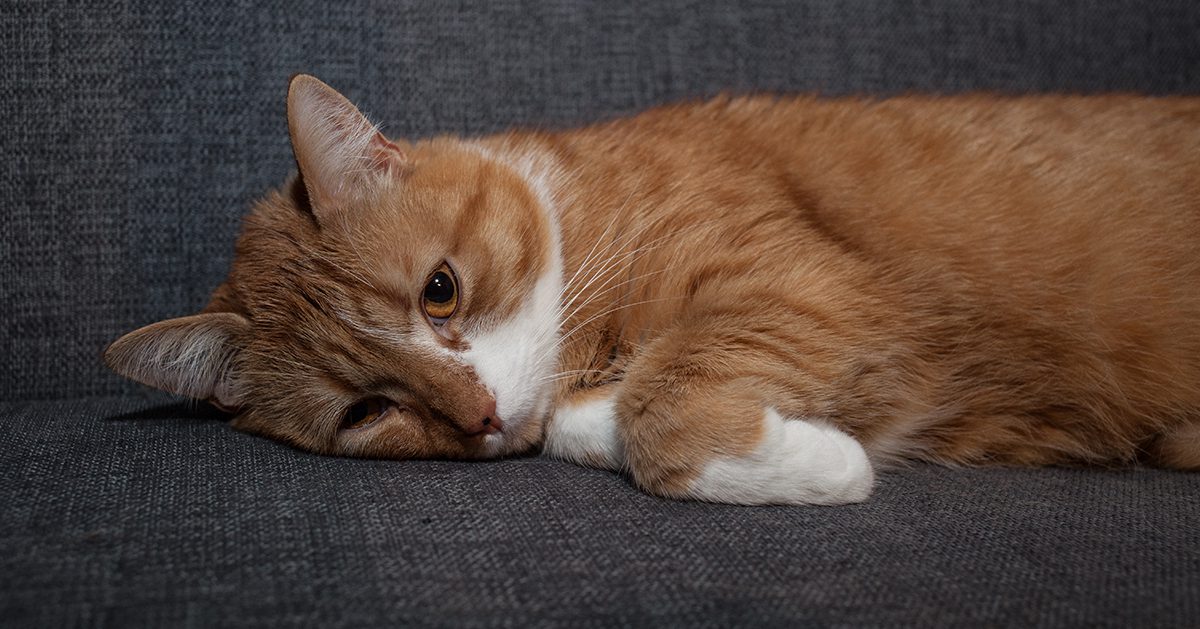
Why Is My Cat Throwing Up?
A cat throws up when something irritates the stomach or intestines, or when an illness elsewhere in the body triggers nausea. The cause can be as simple as a hairball or as complex as a chronic disease.
Vomiting vs. Regurgitation
Before answering “Why is my cat vomiting?” it helps to know whether your cat is truly vomiting at all. Vomiting is an active process. You’ll often see heaving, retching, or abdominal contractions, and the material usually comes from the stomach or upper intestine. Regurgitation, on the other hand, is passive. Undigested food comes back up with little effort, often shortly after eating, and may still be shaped like a tube. The distinction matters because the two point to different underlying problems.
Occasional vs. Frequent Episodes
A single episode in an otherwise bright, hungry cat is often less concerning than repeated vomiting. Many veterinarians recommend scheduling an exam if your cat throws up more than once or twice a month, even if they seem fine otherwise. Chronic, low-level vomiting is one of the earliest signs of several conditions that are easier to manage when caught early. If you find yourself asking “Why is my cat vomiting?” more than once a month, that pattern alone is worth discussing with your veterinarian.
What Are the Most Common Causes of Cat Vomiting?
The answer to “Why is my cat vomiting?” can lie in the digestive tract or in another organ system entirely. Here are ten common causes veterinarians consider:
- Hairballs: Fur swallowed during grooming collects in the stomach and comes back up
- Eating too fast: Gulping food can trigger vomiting soon after meals
- Diet changes or food sensitivities: A sudden food switch or an ingredient intolerance can upset the stomach
- Foreign objects: String, hair ties, ribbon, and small toys can cause dangerous blockages
- Toxins: Lilies, certain houseplants, cleaning products, and human medications
- Parasites and infections: Intestinal worms, bacteria, and viruses can all irritate the gut
- Inflammatory bowel disease (IBD): Chronic inflammation of the digestive tract
- Kidney disease: Toxin buildup in the bloodstream causes nausea, especially in older cats
- Hyperthyroidism: An overactive thyroid speeds metabolism and often leads to vomiting and weight loss
- Pancreatitis and liver disease: Inflammation or dysfunction of these organs frequently causes nausea
Other possibilities include diabetes, intestinal cancer such as lymphoma, and motion sickness during travel. Because several of these conditions become more common with age, senior cats with new or worsening vomiting should see a veterinarian promptly.
Lilies deserve special mention. Every part of the lily plant, including the pollen and the water in the vase, can cause life-threatening kidney failure in cats. If you suspect your cat had any contact with lilies, contact a veterinarian immediately.
What Does Your Cat’s Vomit Look Like?
The color and contents of vomit offer useful clues, though they can’t replace a veterinary exam. Snapping a quick photo on your phone helps your veterinarian see exactly what you saw.
Undigested or Partially Digested Food
Food that comes up soon after a meal may suggest eating too fast, regurgitation, or a food sensitivity. If it happens repeatedly, your veterinarian can help determine whether the issue involves the esophagus, stomach, or diet.
Yellow, Green, or Foamy Liquid
Yellow or greenish fluid usually contains bile, which can appear when the stomach is empty. White foam may indicate stomach irritation. Occasional episodes might be minor, but recurring bile vomiting deserves a closer look. When owners ask, “Why is my cat vomiting foam in the morning?” an empty stomach is one possibility a veterinarian may explore, along with other digestive issues.
Hair, Blood, or Dark Material
Tube-shaped clumps of fur point to hairballs. Bright red streaks suggest bleeding in the upper digestive tract, while dark, coffee-ground material can indicate digested blood. Any vomit containing blood warrants a prompt veterinary visit. If you find pieces of string, plastic, or plant material, bring a sample or photo to your appointment. These details narrow down the answer to “Why is my cat vomiting?” far faster than a general description.
Cat Vomiting Symptoms to Look Out For
Vomiting rarely happens in isolation. Additional symptoms help your veterinarian gauge severity and point toward the underlying cause.
Keep an eye out for these related signs:
- Decreased appetite or skipping meals entirely
- Weight loss, even if your cat seems to eat normally
- Increased thirst or urination
- Diarrhea, constipation, or changes in stool
- Lethargy, hiding, or less interest in play
- Drooling or lip-licking, both signs of nausea
- A hunched posture or sensitivity when the belly is touched
- Changes in coat quality or grooming habits
Pay attention to timing as well. Does vomiting happen right after meals, first thing in the morning, or at random? Has your cat started a new food, medication, or routine? Tracking these patterns over a week or two gives your veterinarian a much clearer picture. Owners who keep notes often find it easier to answer their own question, “Why is my cat vomiting?” once they see the full timeline laid out.
When Should You Worry About Vomiting in Cats?
Repeated vomiting within a single day, vomiting combined with other symptoms, or any vomiting in a kitten or senior cat should prompt a call to your veterinarian. Some situations require emergency care.
Signs That Need Immediate Attention
Seek veterinary care right away if your cat vomits several times in a row, can’t keep water down, has blood in their vomit, seems weak or unresponsive, has a painful or swollen belly, or may have swallowed string, a toy, or a toxic substance. Strands of string or thread can be especially dangerous, so never try to pull a visible string from your cat’s mouth or rear end. Let your veterinarian handle it.
Why Waiting Can Be Risky
Cats that stop eating for even a day or two can develop hepatic lipidosis, a serious liver condition. Vomiting also leads to dehydration quickly, especially in small or older cats. When you’re wondering, “Why is my cat vomiting, and should I wait it out?” the safest choice is to call your veterinary team and describe what you’re seeing. They can tell you whether your cat needs to be seen today.
How Do Veterinarians Diagnose Vomiting in Cats?
Veterinarians diagnose the cause of vomiting by combining your cat’s history, a physical exam, and targeted testing. Every detail you share helps guide the process.
History and Physical Exam
Your veterinarian will ask about the frequency of vomiting, what it looks like, your cat’s diet, any recent changes at home, and access to plants or household items. During the exam, they’ll check hydration, feel the abdomen for pain or abnormalities, examine the mouth, and assess body weight and condition. Bringing notes and photos helps your veterinarian answer “Why is my cat vomiting?” more efficiently.
Lab Work and Imaging
Bloodwork and urinalysis evaluate kidney function, liver health, thyroid levels, and blood sugar. A fecal test checks for parasites. X-rays or ultrasound can reveal foreign objects, thickened intestines, or organ changes. In cases of chronic vomiting, your veterinarian may also recommend a food trial or intestinal biopsies to confirm conditions like IBD or lymphoma. These steps turn the question “Why is my cat vomiting?” into a clear diagnosis your veterinary team can act on.
How Is Cat Vomiting Treated?
Treatment for vomiting depends entirely on the underlying cause, so your veterinarian will create a plan based on what the diagnostic workup reveals. Once the answer to “Why is my cat vomiting?” is clear, care can target the true source of the problem rather than just the symptom.
For mild stomach upset, your veterinarian may prescribe anti-nausea medication and recommend a specific diet for a short period. Dehydrated cats often benefit from fluid therapy. Parasites are treated with appropriate deworming medications, while food sensitivities may call for a prescription or limited-ingredient diet chosen with your veterinarian’s guidance.
Chronic conditions such as kidney disease, hyperthyroidism, IBD, and diabetes require long-term management plans that may include medication, dietary changes, and regular monitoring. Ongoing rechecks matter, since the answer to “Why is my cat vomiting?” can shift as a cat ages. A swallowed foreign object sometimes requires surgery or endoscopy to remove it safely.
Avoid giving your cat human medications or over-the-counter remedies for nausea. Many common drugs are toxic to cats, and home remedies can mask symptoms that your veterinarian needs to see. If hairballs are a recurring issue, ask your veterinary team which preventive options make sense for your cat.
Getting Answers About Your Cat’s Upset Stomach in Nesconset
Vomiting can stem from something as minor as a hairball or as serious as organ disease, which is why frequent or unusual episodes deserve professional attention. If you keep asking, “Why is my cat vomiting?” trust that instinct. Cats are masters at hiding illness, and changes in their eating or vomiting habits are often the first signal that something has shifted.
The team at Best Friends Veterinary Care helps cat owners across Nesconset and nearby Long Island communities get to the bottom of digestive issues with thorough exams, thoughtful testing, and personalized care plans. Call to schedule an appointment and help your cat feel like themselves again.
About Us
Best Friends Veterinary Care warmly welcomes you to our animal hospital in Nesconset, where we provide exceptional care for your pet and outstanding service for you and your pet. With longer appointment times, our team of experienced veterinarians offer their undivided attention and top-notch treatment for your pet during each visit to our hospital.