
Your dog may be overweight if you can’t easily feel their ribs, they lack a visible waist, or they tire quickly on walks, and a veterinarian can confirm it with a simple body condition assessment. If you’ve found yourself wondering, “Is my dog overweight?” you’re far from alone. The Association for Pet Obesity Prevention has reported that more than half of dogs in the United States are overweight or obese, and many owners don’t recognize the extra pounds until health problems appear. Those pounds matter, since excess weight is linked to arthritis, diabetes, breathing trouble, and a shorter lifespan. At Best Friends Veterinary Care in Nesconset, we help families spot weight gain early and create realistic plans to turn things around. Below, you’ll learn six telltale signs to check for at home, plus the steps that help dogs reach a healthier weight safely.
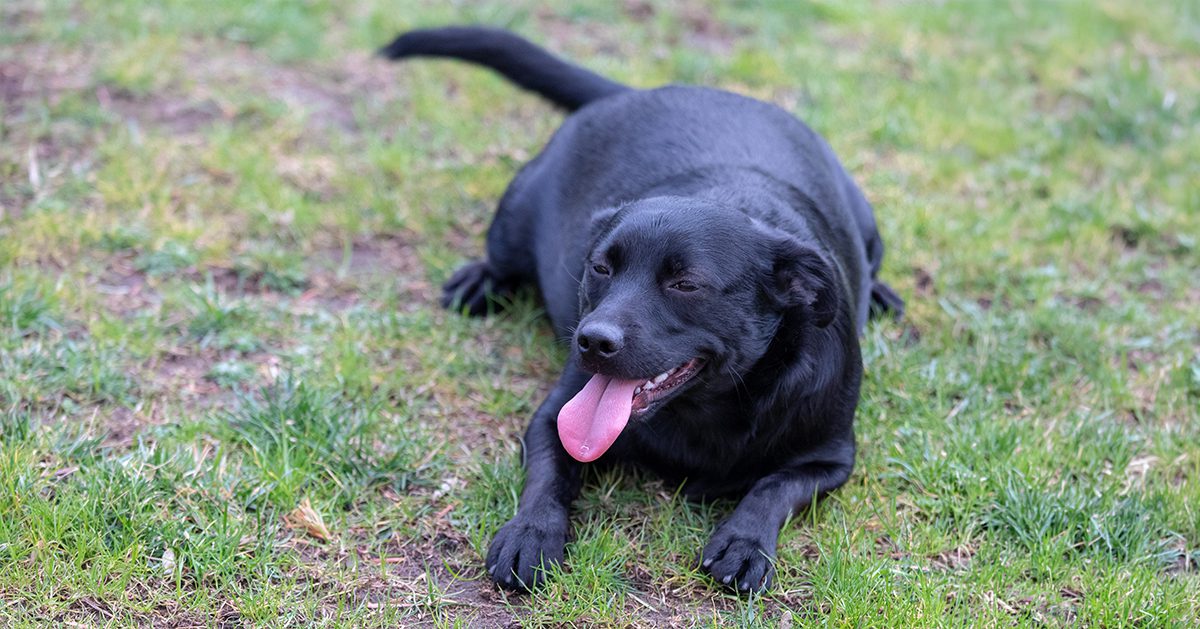
Think About How Your Dog Behaves When Walking
Your dog’s energy and movement during walks offer some of the earliest clues to weight gain. Behavior often changes before the scale shows a dramatic jump. Paying attention during your daily outings is a simple first step toward answering “Is my dog overweight?”
Sign 1: Your Dog Tires Quickly or Lags Behind
A dog carrying extra weight has to work harder with every step. You might notice your pup slowing down halfway through a familiar route, stopping frequently to rest, or showing less excitement when you grab the leash. If your dog used to pull ahead and now trails behind, it’s reasonable to ask, “Is my dog overweight, or is something else going on?” Both possibilities deserve a veterinary check, since fatigue can also stem from heart, thyroid, or joint problems.
Sign 2: Heavy Breathing and Trouble With Everyday Movement
Overweight dogs often pant heavily after mild exertion, even in cool weather. Fat around the chest and abdomen makes it harder for the lungs to expand fully. Watch for these movement-related changes on and off your walks:
- Labored breathing after a short stroll or a few minutes of play
- Hesitation before jumping into the car or onto the couch
- Struggling to climb stairs that used to be easy
- A waddling or side-to-side gait
- Stiffness when getting up after a nap
- Reluctance to join in games of fetch or tug
Any one of these changes can prompt the question, “Is my dog overweight?” Several together make a strong case for scheduling a weigh-in with your veterinarian.
Feel For Your Dog’s Ribs
A gentle hands-on check is one of the most reliable ways to judge whether your dog carries extra fat. Veterinarians use a similar approach as part of a body condition score assessment. It gives you a hands-on answer to “Is my dog overweight?” without needing a scale.
Sign 3: You Can’t Easily Feel the Ribs
Place your hands flat on both sides of your dog’s chest and run your fingertips lightly along the rib cage. In a dog at a healthy weight, you should feel each rib with light pressure, similar to the feeling of the knuckles on the back of your hand. If you need to press firmly to find the ribs, or you can’t feel them at all, a layer of fat is likely covering them. That’s often the clearest at-home clue when you’re asking, “Is my dog overweight?”
On the other hand, ribs that stick out sharply and are visible from across the room can signal that a dog is underweight. The ideal sits in the middle, where ribs are easy to feel but not prominent.
Understanding the Body Condition Score
Most veterinarians rate dogs on a nine-point body condition scale, with 1 meaning very thin, 9 meaning severely obese, and 4 to 5 considered ideal. This system works better than the number on the scale alone, since a healthy weight for a Beagle looks very different from a healthy weight for a Labrador. If you’re still unsure after feeling your dog’s ribs and asking yourself, “Is my dog overweight?” your veterinarian can assign a precise score during your next visit and explain where your pet falls on the scale.
Long or thick coats can hide extra pounds visually, so the rib check is especially useful for fluffy breeds like Golden Retrievers, Huskies, and Shih Tzus.
Take a Look at Your Dog’s Physical Appearance
Your dog’s shape, viewed from above and from the side, reveals a lot about their body condition. A quick visual check takes only a few seconds. Taking a side-view photo every few months can also help you answer “Is my dog overweight?” by revealing gradual changes you might miss day to day.
Sign 4: No Visible Waist From Above
Stand over your dog while they’re standing and look down at their back. A healthy dog has a noticeable inward curve behind the ribs, creating an hourglass shape. If your dog’s body looks straight, oval, or wider in the middle, that missing waistline suggests extra weight. Comparing your dog’s outline with photos from a year or two ago can quickly settle the question, “Is my dog overweight?”
Sign 5: A Sagging Belly From the Side
Next, look at your dog from the side. Most breeds at a healthy weight have an abdominal tuck, meaning the belly slopes upward from the chest toward the hind legs. A belly that hangs level with the chest or sags lower is a common sign of excess fat. If your pup’s belly nearly brushes the grass on walks, the honest answer to “Is my dog overweight?” is likely yes, although short-legged breeds naturally sit closer to the ground.
Sign 6: Fat Deposits in Telltale Spots
Fat tends to collect in predictable places. Run your hands over these areas to check for soft, padded bulges:
- The base of the tail
- Over the hips and lower back
- Around the neck and under the chin
- Along the chest between the front legs
Keep in mind that some breeds, like Bulldogs or Greyhounds, have naturally different body shapes. If you can’t decide whether the answer to “Is my dog overweight?” is yes or no based on looks alone, a veterinary assessment will settle the question.
How Can You Help Your Dog Lose Weight Safely?
The safest path to weight loss starts with a veterinary exam and a personalized plan. Crash diets or sudden exercise increases can do more harm than good. Once you’ve answered “Is my dog overweight?” with a yes, the focus shifts to steady, sustainable progress.
Rule Out Medical Causes First
Certain conditions, including hypothyroidism and Cushing’s disease, can cause weight gain or make weight loss difficult. Your veterinarian may recommend bloodwork to rule these out before setting goals. Once you know there’s no hidden medical issue, you can focus on daily habits with confidence. Asking “Is my dog overweight?” is only part of the picture, since understanding why the weight appeared matters just as much.
Work With Your Veterinarian on a Plan
Your veterinarian can calculate your dog’s ideal weight, determine how much food they actually need, and recommend whether a prescription weight-management diet makes sense. Gradual, steady progress is the goal, and regular weigh-ins help track it. Helpful habits your veterinary team may suggest include:
- Measuring meals with a standard measuring cup or kitchen scale instead of eyeballing portions
- Limiting treats and table scraps, which add up faster than most owners realize
- Swapping some store-bought treats for low-calorie options your vet approves
- Using puzzle feeders to slow eating and add mental stimulation
- Adding activity gradually, based on your dog’s age, joints, and fitness level
- Making sure everyone in the household follows the same feeding rules
Celebrate the Long-Term Payoff
The benefits of a healthy weight go well beyond appearance. A well-known long-term study of Labrador Retrievers found that dogs kept lean lived nearly two years longer, on average, than their heavier littermates. Lean dogs also tend to move more comfortably and enjoy a better quality of life as they age. Extra weight is also associated with a higher risk of diabetes, osteoarthritis, and certain cancers. Many owners who once asked, “Is my dog overweight?” notice their pets acting more playful and energetic as the pounds come off.
Partnering on Your Dog’s Healthy Weight in Nesconset
If you’ve spotted one or more of these six signs and keep asking, “Is my dog overweight?” the next step is a professional evaluation. Weight gain often creeps up slowly, so it’s easy to miss until it starts affecting mobility, energy, and health. The good news is that most dogs respond well to a thoughtful plan, and even modest weight loss can ease strain on joints and organs.
The team at Best Friends Veterinary Care works with dog owners throughout Nesconset and the surrounding Long Island area to assess body condition, rule out medical causes, and set achievable weight goals. We’ll support you with regular check-ins and practical guidance along the way. Call to schedule a weight evaluation and help your dog feel lighter, livelier, and more like themselves.
About Us
Best Friends Veterinary Care warmly welcomes you to our animal hospital in Nesconset, where we provide exceptional care for your pet and outstanding service for you and your pet. With longer appointment times, our team of experienced veterinarians offer their undivided attention and top-notch treatment for your pet during each visit to our hospital.